You are on our wealth management services website for advisors & wealth managers.
Browse more Fidelity websites here.
MODULE 2
Learn how you can align distinct client needs with specific types of alternatives to enhance portfolio diversification, manage risks, and achieve financial goals.
When you're evaluating strategies through the lens of your clients' needs, it's essential to know the characteristics of a variety of strategies and the
benefits and risks of each. Module 2 in Fidelity's CE-accredited alternative investments course helps demystify alternatives and gives you a
framework that enables deeper client conversations.
Access the course today.
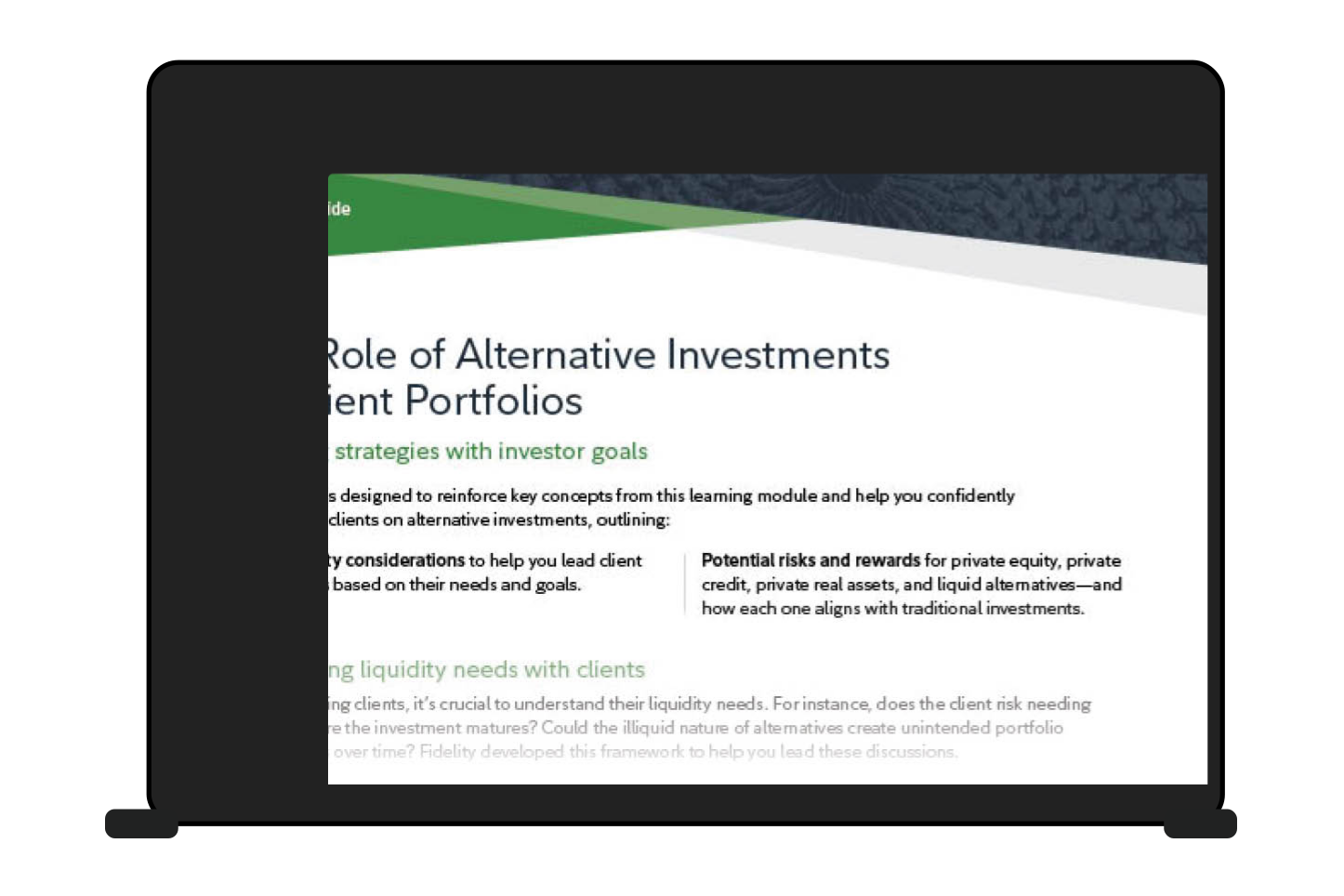
Get a quick summary of the key themes from module 2 in our advisor learning guide. You'll find:



Learn how you can align distinct client needs with specific types of alternatives to enhance portfolio diversification. manage risks, and achieve financial goats.

A dedicated education program designed to strengthen your understanding of alternatives and help you deliver greater value to your clients.

Alternative investments are investment products other than the traditional investments of stocks, bond, mutual funds, or ETFs. Examples of alternative investments are limited partnerships, limited liability companies. hedge funds, private equity, private debt, commodities, real estate, and promissory notes. Some of the risks associated with alternative investments are: Alternative investments maybe relatively illiquid. It may be difficult to determine the current market value of the asset. There may be limited historical risk and return data. A high degree of investment analysis maybe required before buying. Costs of purchase and sale may be relatively high.